Upper Egypt
Aswan
The Jewel of the Nile — where golden sand dunes meet emerald waters, colorful Nubian villages line the riverbanks, and feluccas glide beneath ancient temples.
- Tours
- 12
- Best Time to Visit
- October to April
- Climate
- Extremely hot summers (45°C+), pleasant winters (20-30°C). Very dry year-round, Egypt's sunniest city.
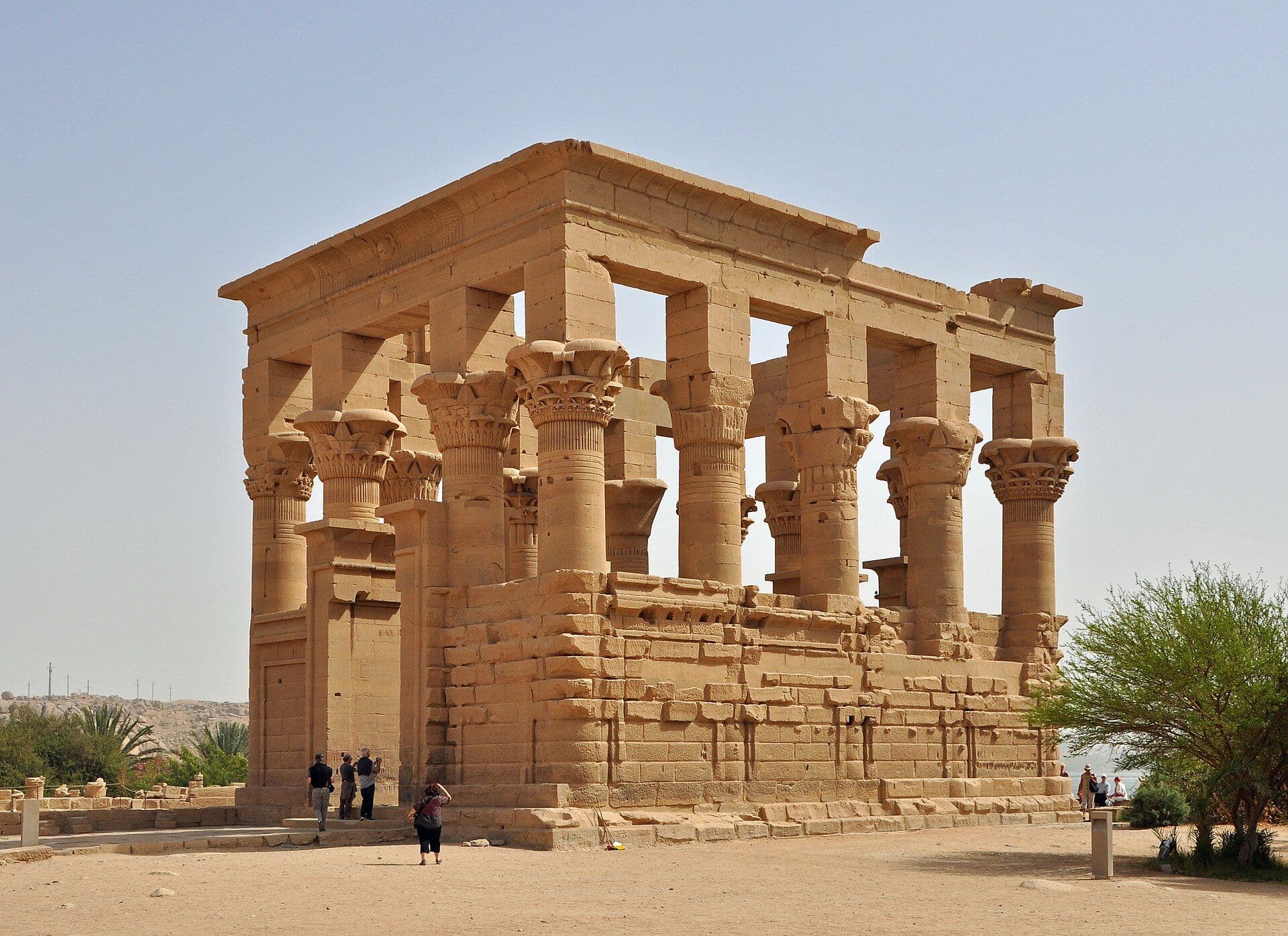
Nestled gracefully on the southern edge of Egypt, Aswan is a city where time seems to flow at the same gentle pace as the mighty Nile. Unlike the bustling streets of Cairo or the grandiose monuments of Luxor, Aswan offers a serene and intimate experience of Egypt — a place where golden sand dunes meet the river’s emerald waters, where colorful Nubian villages cling to its banks, and where some of Egypt’s most fascinating historical sites coexist with a vibrant living culture.
Aswan has long been regarded as Egypt’s gateway to Africa. For centuries, it served as an important frontier city, a crossroads for ancient trade routes, and a center of granite quarries that supplied stone for Egypt’s most famous monuments — including the Pyramids and many temples. Today, Aswan retains this unique role: a destination where travelers can uncover layers of history, immerse themselves in Nubian traditions, and embark on one of the most remarkable journeys in the world — the Nile Cruise between Aswan and Luxor.
The Nile in Aswan: A Living Landscape
The Nile River is at its most picturesque in Aswan. Here, the water flows smoothly around rocky islands, creating a dramatic contrast between lush palm groves and golden desert. Feluccas — the traditional wooden sailing boats — glide effortlessly across the river, their white sails reflecting in the sun. At sunset, the river shimmers in shades of gold and orange, creating views that have inspired poets, artists, and travelers for generations.
But beyond its beauty, the Nile in Aswan is also the starting point of a journey that is on nearly every traveler’s bucket list: the Nile Cruise between Aswan and Luxor.
The Nile Cruise Experience: From Aswan to Luxor
Taking a cruise between Aswan and Luxor is often described as the highlight of visiting Egypt, and for good reason. Over several days, you sail along the same river that nourished the world’s first great civilization. Along the way, you stop to visit awe-inspiring temples such as Kom Ombo, dedicated to the crocodile god Sobek and the falcon god Horus, and Edfu, home to one of the best-preserved temples in all of Egypt.
Starting in Aswan allows travelers to explore iconic sites like the Temple of Philae, dedicated to the goddess Isis, and the massive Aswan High Dam, before embarking on the relaxing yet culturally rich voyage northward to Luxor. Onboard the cruise, you enjoy modern comforts, panoramic views of the river, and a timeless atmosphere that connects you to the ancient past. This journey is not just transportation — it is an experience in itself, blending leisure, scenery, and history.
Temples and Monuments of Aswan
Aswan is home to some of Egypt’s most remarkable monuments, each reflecting different chapters of history:
- Philae Temple: Rising gracefully from its island setting, Philae is dedicated to Isis, the goddess of magic and motherhood. Rescued from flooding by UNESCO in the 1960s, it remains one of the most enchanting temples in Egypt, often visited by boat for a truly magical approach.
- Abu Simbel Temples: A short journey south of Aswan brings you to the colossal temples of Ramses II and Queen Nefertari at Abu Simbel. Carved into the mountainside, these monuments are among the most iconic in the world, famous for their gigantic statues and astronomical alignment with the sun.
- The Unfinished Obelisk: In Aswan’s granite quarries lies the largest obelisk ever attempted. Cracked during construction, it was abandoned but still offers insight into the techniques of ancient stone carvers.
- The High Dam: A marvel of modern engineering, the dam changed Egypt’s landscape forever, creating Lake Nasser, one of the largest man-made lakes in the world.
Nubian Culture: The Heart of Aswan
What sets Aswan apart from other Egyptian cities is its living Nubian culture. The Nubians, an ancient people with their own language, music, and traditions, were historically centered in this region. Today, their colorful villages with painted houses, warm hospitality, and vibrant markets are a highlight of any visit to Aswan.
A trip to a Nubian village allows you to experience their unique lifestyle, taste traditional food, and even enjoy performances of Nubian music and dance. Their strong connection to the Nile and their resilience through history make them one of the most fascinating communities in Egypt.
Daily Life in Aswan: Markets, Food & Atmosphere
Aswan is also a city of sensory pleasures. The souq, or market, is one of the most atmospheric in Egypt — a lively maze of stalls filled with spices, perfumes, handmade jewelry, and colorful textiles. Wandering its narrow lanes, you encounter friendly vendors and the aroma of exotic spices like cardamom, saffron, and cinnamon.
Food in Aswan reflects both Egyptian and Nubian influences. Fresh fish from the Nile, lentil stews, and Nubian specialties like “shamsi” bread are part of the local experience. Dining along the riverbank with a view of the feluccas is a memory travelers carry with them long after they leave.
Aswan Today: Where Past Meets Present
Aswan manages to blend ancient history with a tranquil modern atmosphere. Unlike the crowded urban centers of Egypt, Aswan feels laid-back and welcoming. Travelers often describe it as a place to slow down, to reflect, and to connect with Egypt on a deeper level.
With its monuments, Nubian heritage, and the unforgettable Nile Cruise experience, Aswan offers a complete journey into the heart of Egyptian culture and history. Whether you come seeking adventure, relaxation, or insight into ancient civilizations, Aswan delivers all of it in a single, unforgettable destination.
Highlights of Aswan
- Abu Simbel TemplesColossal rock-cut temples of Ramses II, famously relocated by UNESCO in the 1960s to save them from Lake Nasser's rising waters.
- Philae TempleDedicated to the goddess Isis, rising gracefully from its island setting — approached by boat for a magical arrival.
- Nubian VillagesColorful riverside communities with painted houses, warm hospitality, and a unique culture preserved through centuries.
- Felucca SailingTraditional wooden sailboats gliding past granite islands on the peaceful Nile — especially enchanting at sunset.
- The Aswan High DamA marvel of 20th-century engineering that reshaped Egypt and created Lake Nasser, one of the largest man-made lakes.
- The Unfinished ObeliskThe largest obelisk ever attempted lies in ancient granite quarries, offering insight into ancient stone-carving techniques.
Tours in Aswan
Prices shown for Low Season
- 11 Days Luxury Private Egypt Tour – Cairo, Abu Simbel, Nile Cruise & LuxorLuxury · Nile Cruise11 Days / 10 Nights$3,520
- (13 Days) Luxury Private Egypt Tour ItineraryLuxury · Nile Cruise13 Days / 12 Nights$4,160
- Pharaohs in Private: The Shorter Nile JourneyPrivate · Nile Cruise10 Days / 9 Nights$3,120
- Pharaohs in Private: Nile & AlexandriaPrivate · Nile Cruise11 Days / 10 Nights$3,440
- Treasures of Egypt: 6-Day Private Tour & Nile CruisePrivate · Nile Cruise6 Days / 5 Nights$1,880
- Private Abu Simbel Day Tour from AswanDay Tour1 Day / 0 Nights$152
- Private Aswan Full-Day Tour – High Dam, Philae Temple & Unfinished Obelisk + Felucca SailingDay Tour1 Day / 0 Nights$152
- 8-Day Complete Excursion ProgramGroup · Nile Cruise8 Days / 7 NightsMax 15 travelers$1,352
- Spiritual TOur EgyptCultural · Nile Cruise15 Days / 14 NightsMax 6 travelers$6,720
- Treasures of Egypt: Cairo, Alexandria, Nile & Red SeaLuxury · Nile Cruise12 Days / 11 NightsMax 12 travelers$2,792
- Egypt Eternal Elegance: Cairo, Abu Simbel, Luxor & The Red SeaLuxury11 Days / 10 NightsMax 10 travelers$3,400
- Pharaohs in Private: Nile & Abu SimbelLuxury · Nile Cruise12 Days / 11 NightsMax 8 travelers$4,200