Lower Egypt
Cairo
Often called 'The City of a Thousand Minarets', Cairo is Egypt's cultural, historical, and spiritual soul — a dazzling blend of pharaonic wonders, medieval mosques, and vibrant urban life.
- Tours
- 12
- Best Time to Visit
- October to April
- Climate
- Hot desert climate with mild winters (15-25°C) and hot summers (35-40°C). Dry year-round with rare rainfall.
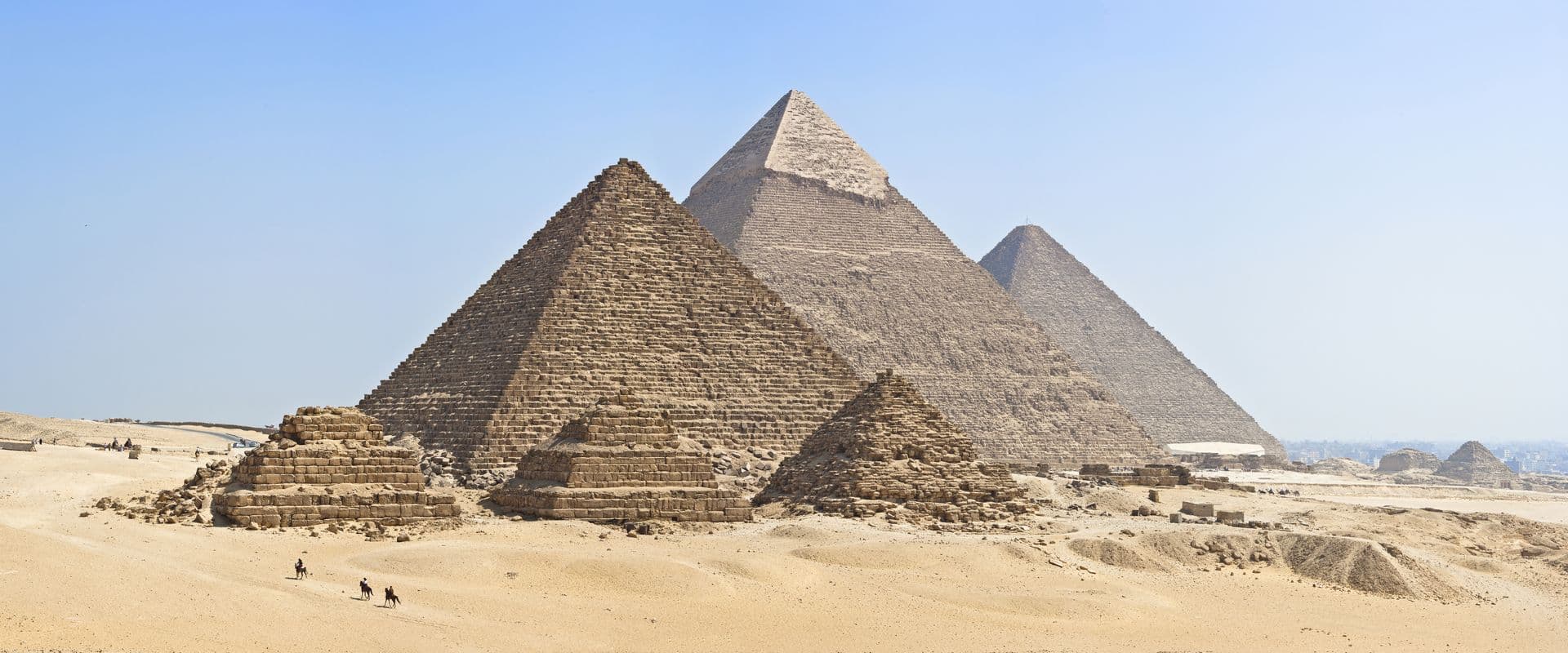
Cairo, often called “The City of a Thousand Minarets”, is not just the capital of Egypt but also its cultural, historical, and spiritual soul. Stretching along the fertile banks of the River Nile, Cairo is a dazzling blend of the ancient and the modern—a city where pharaonic wonders coexist with medieval mosques, bustling souks, and a thriving urban culture. To walk through Cairo is to step into a living museum, where every street corner whispers stories of civilizations past, yet pulses with the vibrant energy of the present.
A City Layered with History
Cairo’s history is as diverse as its people. The city itself was founded in 969 AD by the Fatimids, but the area around it has been inhabited for thousands of years. Just on the edge of Cairo lie the Pyramids of Giza, the last remaining wonder of the ancient world, and the mighty Sphinx, standing guard as it has for millennia. Nearby is Saqqara, home to the Step Pyramid of Djoser—the oldest pyramid ever built—which offers a glimpse into the architectural genius of the ancient Egyptians.
But Cairo is more than just pharaohs. The city flourished during the Islamic Golden Age, giving birth to mosques, madrasas, and palaces that still define its skyline. Landmarks like the Mosque of Ibn Tulun, the Al-Azhar Mosque (one of the oldest universities in the world), and the Citadel of Salah El-Din are timeless symbols of Cairo’s Islamic heritage. The Coptic quarter, meanwhile, reveals Egypt’s deep Christian traditions, with ancient churches such as the Hanging Church and the Church of St. Sergius, where the Holy Family is said to have taken refuge.
This tapestry of history—pharaonic, Greco-Roman, Islamic, and Coptic—makes Cairo unlike any other city in the world.
Cairo’s People and Spirit
Cairo is home to more than 20 million people, making it one of the most populous cities in Africa and the Middle East. Yet despite the crowds, visitors often remark on the warmth and generosity of the Cairenes. People here are known for their humor, hospitality, and ability to make you feel at home in their city.
Walking through Cairo means hearing the call to prayer echo from minarets, mingling with the lively chatter of street vendors, and catching the aroma of fresh bread baked in neighborhood ovens. It’s a city of contrasts: businessmen in modern suits working in high-rises, craftsmen in Khan El Khalili market practicing trades that have not changed for centuries, and young artists filling cafés with poetry, music, and political debate.
The clutter, the chaos, and the noise are all part of Cairo’s character. It is a city that never sleeps—where traffic hums into the late hours and where night markets bustle as families gather for dinner after sunset. To some, it may feel overwhelming at first, but soon, the rhythm of Cairo becomes intoxicating, inviting you to embrace its vibrant pulse.
Food and Flavors of Cairo
Cairo is a paradise for food lovers, offering both traditional Egyptian dishes and modern international cuisine. Street food is an essential part of the city’s culture, and no visit is complete without trying:
- Koshary – Egypt’s national dish, a hearty mix of rice, lentils, pasta, chickpeas, and crispy onions topped with tomato sauce.
- Falafel (Ta’ameya) – made with fava beans in Egypt, crisp on the outside and soft inside, usually served in fresh pita with salad.
- Ful Medames – slow-cooked fava beans seasoned with olive oil, lemon, and spices, often eaten for breakfast.
- Grilled meats and kebabs – smoky, juicy, and often served with tahini and fresh bread.
- Baklava and Basbousa – sweet pastries that showcase Egypt’s love for desserts.
Cairo is also a city of coffeehouses (ahwas), where locals gather to sip mint tea, puff on shisha (water pipes), and watch the world go by. These cafés are cultural hubs where poets, musicians, and friends meet, continuing traditions that go back centuries.
Key Attractions in Cairo
Cairo offers an endless list of sites to explore, each telling a story of Egypt’s past and present. Some highlights include:
- The Pyramids of Giza and the Sphinx – timeless symbols of Egypt that need no introduction.
- The Grand Egyptian Museum – the largest archaeological museum in the world, housing treasures of ancient Egypt including the golden mask of Tutankhamun.
- Saqqara and Memphis – the Step Pyramid of Djoser and the ruins of Egypt’s ancient capital.
- Islamic Cairo – wander through El Moez Street, visit the Sultan Hassan Mosque, and marvel at the Citadel and the Alabaster Mosque of Mohamed Ali.
- Coptic Cairo – home to the Hanging Church, the Coptic Museum, and the Ben Ezra Synagogue.
- Khan El Khalili Bazaar – a labyrinth of alleys filled with spices, jewelry, antiques, and handicrafts.
- The Nile Corniche – perfect for an evening stroll or a dinner cruise, offering views of the river that has sustained Egypt for thousands of years.
The Modern Cairo Experience
While Cairo’s ancient and medieval heritage is its crown jewel, the city also boasts a vibrant modern side. Chic districts like Zamalek and Maadi offer trendy cafés, art galleries, and boutique shops. Cairo’s nightlife is alive with rooftop bars overlooking the Nile, live music venues, and traditional folk shows where belly dancers and whirling dervishes perform.
Shopping malls and contemporary art museums reflect a younger, cosmopolitan Cairo, while international festivals bring together musicians, filmmakers, and artists from across the globe. This blend of tradition and modernity ensures that every visitor can find something to connect with—whether it’s history, art, food, or adventure.
Cairo as a Gateway
Cairo is not just a destination—it’s the gateway to Egypt. From here, travelers set off on Nile cruises, desert adventures, and journeys to other historic cities like Luxor and Aswan. Yet Cairo itself deserves time and attention. To truly experience Egypt, one must spend days getting lost in Cairo’s streets, absorbing its history, and connecting with its people.
Final Thought
Cairo is a city that challenges and charms at the same time. It may overwhelm you with its size and energy, but it rewards you with unforgettable experiences: the first sight of the Pyramids at sunrise, the taste of warm bread from a street vendor, the haunting beauty of the call to prayer at dusk, or a conversation with a friendly local in a crowded market.
For travellers seeking not just a destination but a cultural journey, Cairo is the ultimate starting point. It is Egypt’s heart—ancient, alive, and endlessly fascinating.
Highlights of Cairo
- Pyramids of Giza & The SphinxThe last remaining wonder of the ancient world, standing for over 4,500 years alongside the mighty Sphinx carved from a single limestone block.
- The Grand Egyptian MuseumThe world's largest archaeological museum, home to the complete collection of Tutankhamun's treasures and 50,000+ artifacts.
- Khan El Khalili BazaarA 14th-century labyrinth of alleys filled with spices, jewelry, antiques, and handicrafts — a feast for the senses.
- Islamic & Coptic CairoWander El Moez Street, visit the Sultan Hassan Mosque, the Hanging Church, and the Coptic Museum — layers of religious heritage.
- Saqqara & MemphisThe Step Pyramid of Djoser — the oldest pyramid ever built — and the ruins of Egypt's ancient capital.
- The Citadel of Salah El-DinMedieval fortress crowned by the Alabaster Mosque of Mohamed Ali, offering panoramic city views.
Tours in Cairo
Prices shown for Low Season
- 11 Days Luxury Private Egypt Tour – Cairo, Abu Simbel, Nile Cruise & LuxorLuxury · Nile Cruise11 Days / 10 Nights$3,520
- (13 Days) Luxury Private Egypt Tour ItineraryLuxury · Nile Cruise13 Days / 12 Nights$4,160
- 3-Day Luxury Fayoum Desert Safari from CairoAdventure3 Days / 2 Nights$840
- 3-Day Luxury Bahariya Oasis & White Desert JourneyAdventure3 Days / 2 Nights$840
- Pharaohs in Private: The Shorter Nile JourneyPrivate · Nile Cruise10 Days / 9 Nights$3,120
- Pharaohs in Private: Nile & AlexandriaPrivate · Nile Cruise11 Days / 10 Nights$3,440
- Siwa 5 DaysAdventure5 Days / 4 Nights$1,400
- Treasures of Egypt: 6-Day Private Tour & Nile CruisePrivate · Nile Cruise6 Days / 5 Nights$1,880
- Ultimate Luxury Desert Safari EgyptAdventure8 Days / 7 Nights$2,240
- Luxury Alexandria Private Tour: Discover Egypt’s Mediterranean Capital in StyleDay Tour1 Day / 0 Nights$152
- Private Alexandria Day Tour from CairoDay Tour1 Day / 0 Nights$152
- Private Grand Egyptian Museum & Giza Pyramids Tour from CairoDay Tour1 Day / 0 Nights$152