Western Desert
Siwa Oasis
Egypt's hidden desert treasure near the Libyan border — ancient oracle temples, salt lakes, Cleopatra's Spring, and a unique Berber culture preserved for centuries.
- Tours
- 2
- Best Time to Visit
- October to April (avoid summer heat)
- Climate
- Extreme desert climate. Pleasant winters (10-25°C), scorching summers (45°C+). Zero rainfall, extremely dry.
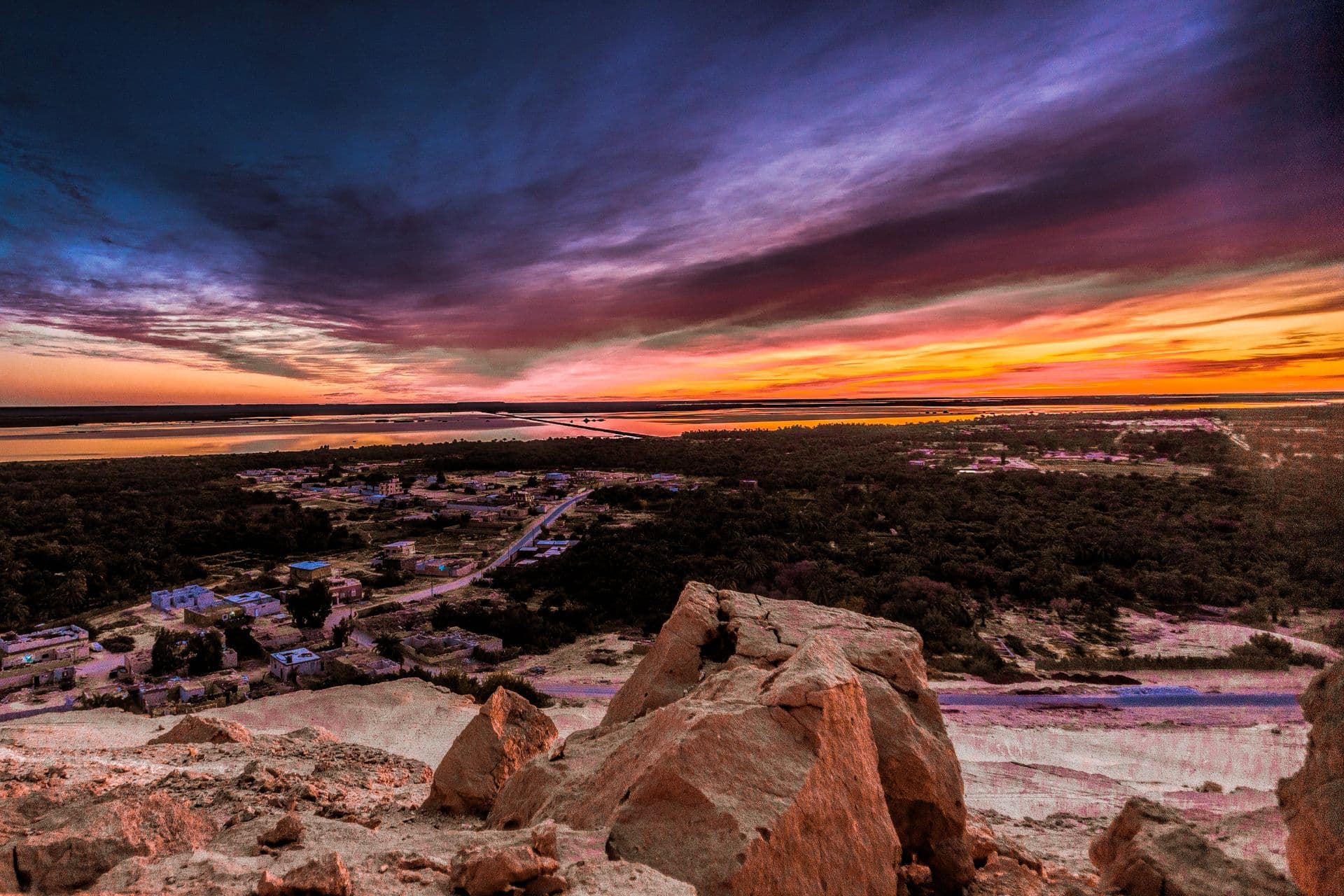
Tucked deep into Egypt’s Western Desert, near the Libyan border, lies Siwa Oasis, one of the country’s most enchanting and least-explored destinations. Unlike the bustling cities of Cairo or Luxor, Siwa offers a world of tranquility, tradition, and timeless beauty. With its lush palm groves, natural springs, salt lakes, ancient ruins, and distinctive culture, Siwa is a true hidden treasure — a place where history and legend meet serenity and natural wonder.
For centuries, Siwa remained isolated from the rest of Egypt, preserving a unique culture and language, as well as a way of life that is deeply tied to the land. Today, it attracts travelers seeking not only natural beauty but also authentic cultural experiences, spiritual journeys, and an escape from modern noise.
Landscape of Dreams: Palms, Springs, and Salt Lakes
The oasis is set in a vast sea of golden sand, but within it thrives a paradise of green and blue. Siwa is famous for its palm groves and olive orchards, nourished by dozens of natural springs and freshwater sources.
- Salt Lakes: Shimmering lakes like Birket Siwa and Birket Zeitun are strikingly beautiful, their turquoise waters surrounded by desert sands. Swimming in the salt lakes is a unique experience — you float effortlessly, much like the Dead Sea.
- Natural Springs: Siwa boasts more than 200 freshwater springs, some hot, some cold. The most famous is Cleopatra’s Spring, a stone pool of crystal-clear water where legend says Queen Cleopatra once bathed. Today, visitors swim here surrounded by palm trees and cafés.
The contrast between desert and oasis creates a landscape unlike anywhere else in Egypt — serene, mystical, and rejuvenating.
A History Carved in Legend
Siwa’s history is as fascinating as its scenery. It was once an important stop on ancient caravan routes and home to one of the most significant oracles of the ancient world.
- Oracle of Amun (Temple of Amun): Perhaps Siwa’s greatest historical claim to fame. In 331 BCE, Alexander the Great traveled across the desert to consult the oracle of Amun. The priests confirmed his divine status, cementing his rule over Egypt. Today, the temple ruins still stand as a reminder of Siwa’s role in shaping history.
- Shali Fortress: Built in the 13th century from “kershef” (mud and salt bricks), this ancient citadel dominates the oasis skyline. Though partially ruined by heavy rains, it remains a striking landmark and a symbol of Siwan resilience.
- Gebal al-Mawta (Mountain of the Dead): A hillside necropolis containing rock-cut tombs from the 26th Dynasty, the Ptolemaic, and Roman periods. Inside, travelers can see painted burial chambers and learn about Siwa’s funerary traditions.
These sites tell the story of an oasis that was once a crossroads of civilizations — from Pharaonic Egypt to Greek and Roman empires.
Culture of Siwa: A World Apart
What truly sets Siwa apart is its unique culture. The people of Siwa, known as Siwans, speak their own language (Siwi, a Berber dialect) and maintain traditions distinct from the rest of Egypt. Their culture is a blend of Amazigh (Berber) heritage and Islamic influences, preserved through centuries of isolation.
- Traditional Dress: Siwan women often wear brightly embroidered dresses and distinctive silver jewelry. Men traditionally wear long robes and turbans suited for desert life.
- Handicrafts: Siwa is famous for its handmade crafts — intricately embroidered textiles, woven baskets, pottery, and silver jewelry. Many items carry geometric and symbolic designs passed down for generations.
- Olives and Dates: Agriculture is central to Siwan life. The oasis produces some of Egypt’s finest olives and dates, often sold in local markets and exported worldwide. Olive oil and date syrup are specialties not to be missed.
Life in Siwa is deeply connected to the land and seasons, making it a destination where visitors can glimpse a way of life unchanged for centuries.
Spiritual and Healing Experiences
Siwa has long been seen as a place of healing and spirituality. Many travelers come not only to sightsee but also to rejuvenate body and soul.
- Sand Bath Therapy: Siwa is one of the few places in the world where people undergo sand baths — being buried in hot desert sand for its supposed healing powers, especially for joint pain and rheumatism.
- Meditation and Wellness: The peaceful environment, quiet salt lakes, and endless desert horizons make Siwa a natural setting for yoga, meditation, and wellness retreats.
- Sacred Heritage: The legend of Alexander the Great and the Oracle of Amun continues to give Siwa a mystical aura, attracting those on spiritual journeys.
Adventures in the Great Sand Sea
Surrounding Siwa is the vast Great Sand Sea, one of the largest sand dune regions in the world. Adventure seekers can enjoy:
- Desert Safaris: By 4x4 jeep or quad bike, exploring giant dunes, hidden springs, and remote landscapes.
- Sandboarding: Sliding down massive golden dunes is a thrill for both adults and children.
- Camping under the Stars: Spending a night in the desert, with Bedouin-style meals and skies full of stars, is one of the most unforgettable experiences Siwa offers.
The desert here feels untouched, giving travelers a true sense of exploration and freedom.
Siwan Cuisine
Siwan food is simple, natural, and delicious, often based on local produce. A few specialties include:
- Tagella Bread: A traditional round bread baked under hot sand, often eaten with dates or honey.
- Olives & Olive Oil: Found in almost every dish, from salads to stews.
- Date-based Desserts: Dates are used in cakes, jams, and syrups.
- Traditional Stews: Often made with lamb, chicken, and fresh vegetables.
Meals in Siwa are often shared in a communal style, reflecting the oasis’s close-knit community spirit.
Hospitality and People
One of the most remarkable aspects of visiting Siwa is the warmth of its people. Siwans are known for their hospitality and deep respect for visitors. Life is slower here, and conversations are often accompanied by tea, laughter, and genuine kindness.
Why Siwa is a Must-Visit
Siwa is not just another Egyptian destination — it is a world apart. While Cairo dazzles with its energy, and Luxor and Aswan impress with their monumental temples, Siwa offers silence, authenticity, and soul.
Here you can:
- Float in shimmering salt lakes.
- Explore ancient oracles and ruined fortresses.
- Share bread with the Siwan people.
- Watch the desert sunset from atop giant dunes.
- Reconnect with nature and yourself.
Siwa is for travelers who want more than sightseeing — it is for those seeking meaning, beauty, and peace.
Highlights of Siwa Oasis
- Oracle Temple of AmunWhere Alexander the Great was declared son of Zeus-Amun in 331 BCE, cementing his divine rule over Egypt.
- Cleopatra's SpringStone pool of crystal-clear water where legend says the Queen once bathed — still a refreshing swim today.
- Shali Fortress13th-century citadel built from 'kershef' (salt and mud bricks) — a striking symbol of Siwan resilience.
- Great Sand SeaEndless dunes stretching to Libya — perfect for 4x4 safaris, sandboarding, and star-filled camping nights.
- Salt LakesShimmering turquoise lakes like Birket Siwa where you float effortlessly — Egypt's answer to the Dead Sea.
- Mountain of the DeadHillside necropolis with painted rock-cut tombs from the 26th Dynasty, Ptolemaic, and Roman periods.
Tours in Siwa Oasis
Prices shown for Low Season